


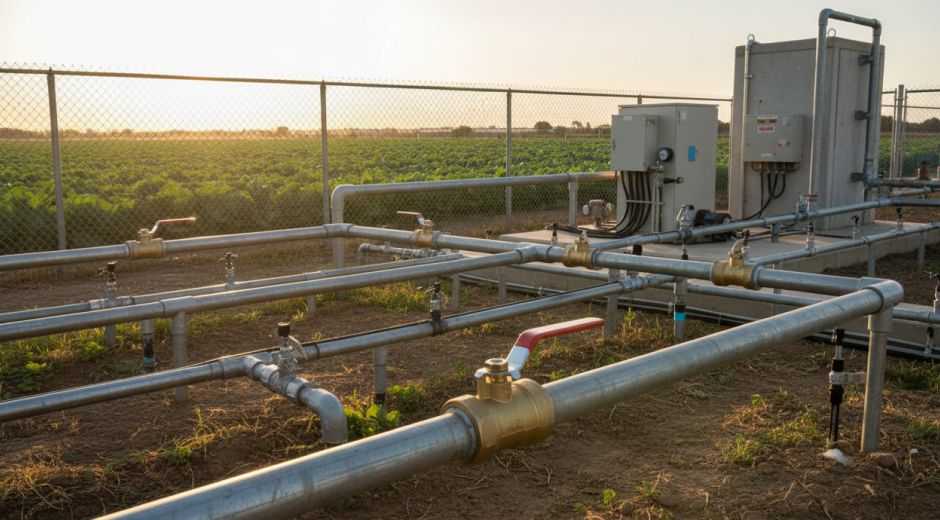
Large-scale irrigation projects typically involve long-distance, large-diameter pipelines with pumps that have frequent start-stop cycles. Flow reversal and water hammer are common threats, and leaks and poor flow regulation can directly impact system efficiency, which is why correct valve selection is critical. In this guide, we'll cover which types of irrigation valves can improve irrigation efficiency and where to find the valves you need for your operation.
Irrigation System Conditions and Why They Matter
At a basic level, irrigation systems exist to transport water from one location and distribute it steadily to another area. Real operating conditions of medium- and large-scale irrigation systems, like those used on farmlands or in commercial landscaping, are more complex. Factors like multi-zone distribution, long-distance transmission, and harsh flow efficiency demands should all influence valve selection.
Size and Distance of Pipeline Networks
Irrigation systems are designed with large-diameter pipes that transport water to distribution points. Long, large-diameter pipelines place extremely high demands on flow efficiency. Because of this, irrigation valves should be designed for low flow resistance and stability even at large diameters.
Pump Start/Stop Cycles
The pumps in irrigation systems often start and stop frequently. This is because irrigation systems operate based on water demands, which can change across zones. Operating fluctuations can make backflow and pressure surges (also known as water hammer) more likely.
Zone-by-Zone Water Demands
Because irrigation systems tend to serve multiple zones, water demand can vary from one area to the next. These demands can also shift from season to season or with changing irrigation schedules. Valves should allow for flexible flow regulation and isolation when needed.
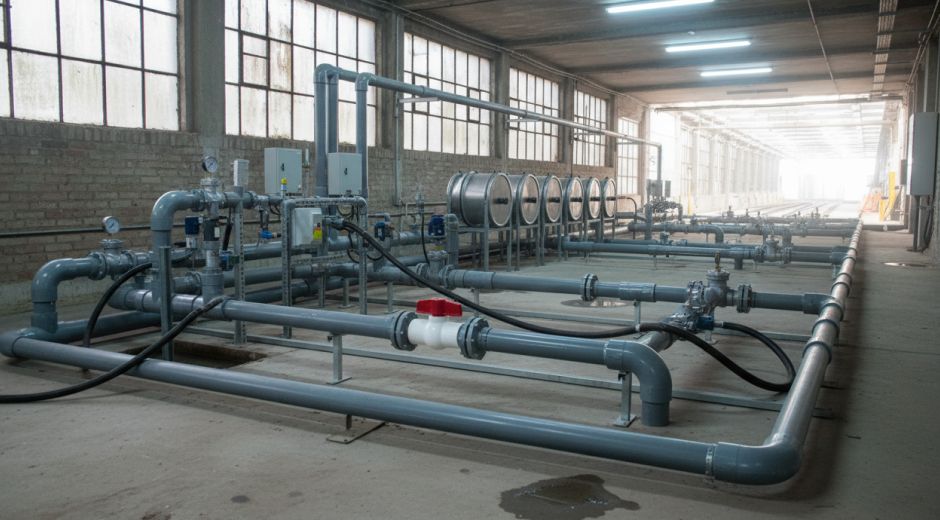
Different Irrigation Valve Types
In irrigation systems, valves directly affect water delivery efficiency, system stability, and long-term maintenance costs. There are three key functions that irrigation valves should serve: main shutoff and isolation, main line control and flow regulation, and backflow prevention. In this guide, we'll look at operational speed, long-term durability and strength, and effective backflow prevention to identify which valves work best for your irrigation needs.
Ball Valves: Best for Speed
Irrigation ball valves offer quick shut-off, which is important for rapidly changing operating conditions. These valves use a spherical disc with a hole that allows for the flow of water when the valve is open. Ball valves feature an easy-turn handle that shuts off the flow entirely when turned.
The main concern with ball valves is their susceptibility to water hammer. Because they open and close quickly, ball valves are more likely to cause water hammer than other common valve types like gate valves. Water hammer, which happens when water moving at high pressure suddenly gets stopped and causes shock waves to move through the plumbing, can cause pipes to weaken and break.
Benefits of Ball Valves
-
Rapid Action: Ball valves feature swift opening and closing capabilities, providing a highly efficient solution for systems requiring frequent flow adjustments. This fast response is vital for managing shifting weather patterns or addressing immediate operational needs.
-
Secure Sealing: Designed for a tight seal, ball valves effectively eliminate leaks to ensure water is delivered precisely where intended. The leak-proof design of ball valves saves water and prevents accidental flooding in target zones.
-
Reduced Pressure Loss: Because ball valves offer minimal flow resistance, they make it easy to maintain consistent pressure throughout the system. This efficiency is critical for ensuring all crops receive a steady and uniform supply of water.
Gate Valves: Best for Durability
Irrigation gate valves are one of the most commonly used shut-off valves in irrigation systems. They control the flow of water by lifting a barrier — or gate — to open or close a pipe. Used for main water lines, gate valves allow for quick and efficient shut-off. The gate design provides highly effective isolation and makes for efficient zone control.
Benefits of Gate Valves
-
Full flow: Gate valves are ideal for irrigation systems that require high flow rates. The vertical mechanism allows water to flow freely when fully open, which makes them especially efficient in larger systems where water distribution is critical.
-
Durability: Gate valves are resistant to corrosion and can withstand high pressure, ensuring reliable operation over time.
-
Strength: Whereas ball valves excel in terms of speed, gate valves offer unbeatable strength for high flow rate support.
Keep Reading: Understanding Gate Valves
Check Valves: Best for Backflow and Water Hammer Prevention
Backflow is a serious concern in any system that distributes water, especially at the scale of most large irrigation systems. Because irrigation systems typically involve frequent pump start/stop cycles that result in changes in flow conditions, backflow and water hammer are possible.
Irrigation check valves are critical for preventing backflow and reducing the likelihood of water hammer. Check valves are specially designed to close the valve opening when fluid flow reverses, preventing the backwards flow of water. When water flows in the forward direction, the ball of the disc retracts and allows the water to pass through.
How Irrigation Silcocks Can Help Efficiency
An irrigation silcock is an outdoor valve that controls water flow from a pressurized line in irrigation systems. You can think of a silcock as a spigot, except silcocks are designed for high performance. With a silcock, you can quickly and easily connect hoses, regulate water pressure, and ensure efficient system drainage.
At Southern Valve & Fitting, we recommend pairing our silcocks with our irrigation ball valves for optimal irrigation system efficiency.
How to Choose the Right Valves for Your System
Ultimately, valve selection will come down to individualized factors, such as the type of plants you're watering, the size of your system, how many zones you're covering, and your water pressure needs. Many irrigation systems utilize multiple types of valves for peak system efficiency. For example, pairing gate valves with check valves ensures efficient flow control but also reduces the chances of backflow or water hammer.
Improve Efficiency With Irrigation Valves From SOVAL
Southern Valve & Fitting offers high-performance solutions designed to maximize your irrigation efficiency. We supply ball valves, gate valves, check valves, and silcocks that are designed for medium- and large-scale irrigation projects. Browse our selection of irrigation products today and invest in the durability and precision your operation demands.
Shop Soval Irrigation ValvesFrequently Asked Questions
What materials do your irrigation valves come in?
Depending on valve type, we offer brass, PVC, cast iron, and ductile iron valves for use in irrigation systems.
How should I maintain my irrigation valves?
Staying on top of regular maintenance checks is essential to maintain efficiency. Check for leaks, make sure all valves are operating properly, and clean out any debris that could be blocking the flow.
How do I choose the right size valve?
Typically, the valve should be the same size as the connecting pipe or no more than one nominal size smaller. Water pressure is also a critical factor to consider. A valve that's too small can restrict flow and lower water pressure, but an oversized valve can create pressure fluctuations and water hammer. Always match the valve to your pipe diameter and expected gallons per minute. We recommend referring to the size chart for each valve.