


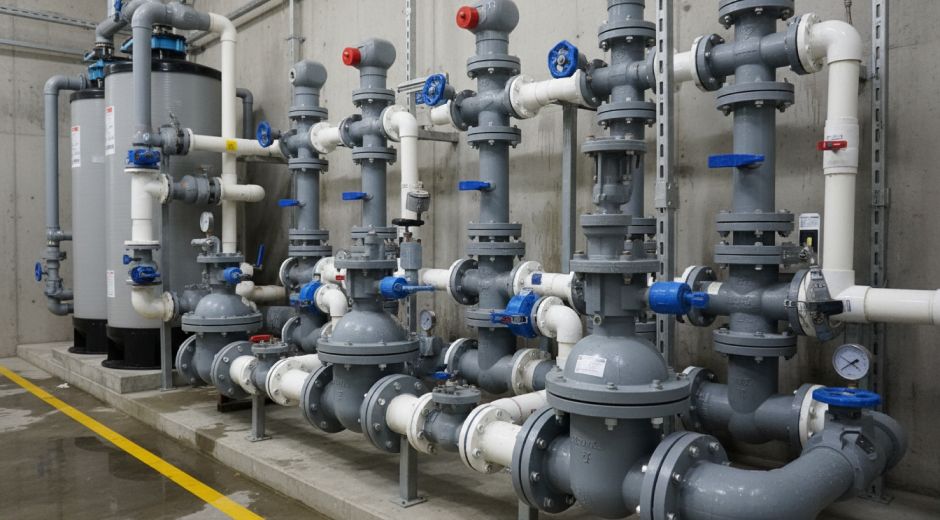
PVC valves, made from highly durable polyvinyl chloride (PVC), are ideally suited for water and gas flow control applications where pressure stability is critical. Whereas metals like brass, copper, steel, and aluminum rust or corrode when exposed to certain chemicals or high-humidity environments, PVC valves can withstand exposure to acids, salts, and alkalis.
Choosing the right valve material often comes down to critical factors like cost, installation, and durability. This article explores the many advantages of PVC valves, highlighting their unique benefits in the water treatment industry. We'll also look at how PVC compares to popular metals used in valve manufacturing.
Advantages of PVC Valves
Deciding which material you need for your valves depends on what materials they will be handling. In fluid handling applications, PVC valves often offer superior benefits over brass, stainless steel, or aluminum.
Highly Durable
PVC valves are highly resistant to corrosion and can withstand exposure to acids, bases, and salts. They won't rust or degrade in harsh environments.
Ideal for Water & Wastewater Systems
PVC valves are commonly used for controlling water flow and distribution in industrial and municipal water treatment systems. This is because PVC is resistant to scaling and corrosion.
PVC valves are either NSF-certified or non-NSF PVC, which indicates whether or not the valves can be used in potable water applications.
Lightweight & Easy to Install
The lightweight nature of PVC makes installation faster and more cost-effective compared to metal valves.
Versatile
PVC is a highly machineable material, which means PVC valves come in a wide variety of sizes, styles, and configurations. At Soval, we carry a selection of PVC ball valves, butterfly valves, check valves, and fittings for reliable fluid control across a diverse range of applications and industries.
Minimal Friction for Efficient Flow
Smooth interiors reduce friction, improving flow efficiency and minimizing wear over time.
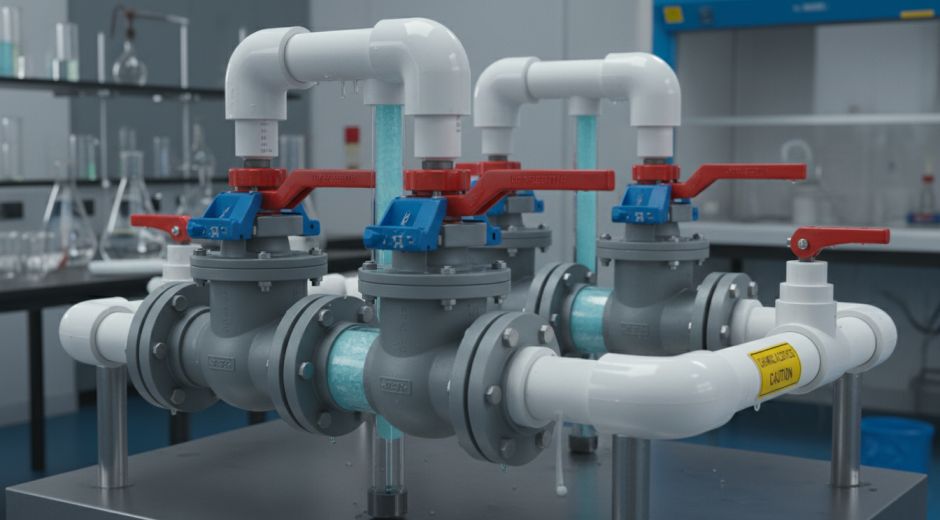
Common Applications for PVC Valves
- Water treatment and distribution
- Wastewater
- Pharmaceuticals
- Chemical processing
- Food processing
- Plumbing
- Irrigation
- Agriculture
- Fire protection
- Pools and aquariums
PVC vs. Metal Valves
The difference between PVC and metal valves ultimately comes down to qualities like corrosion resistance and strength, and these qualities make each material uniquely suited to specific applications.
For example, PVC valves are widely used in industries like plumbing, agriculture, and water treatment because of their resistance to rust, corrosion, and acids. Metal valves, on the other hand, are commonly found in heavy industrial applications like oil and gas, chemical processing, and power generation because they can handle extreme temperatures and are much stronger than PVC and other plastics.
Soval offers valves made from a range of materials, including PVC, brass, cast and ductile iron, and galvanized steel. If you're not sure whether metal or PVC components are better for your application, talk to one of our highly knowledgeable team members today.
Frequently Asked Questions
What standards do PVC valves meet?
PVC valves are often manufactured to NSF standards for safe use in potable water and food processing.
What's involved in maintenance?
PVC requires minimal maintenance, but regular inspection is recommended.
Can PVC valves handle high pressure?
Most PVC valves are rated up to ~150 psi. Higher-pressure systems typically require metal valves.