

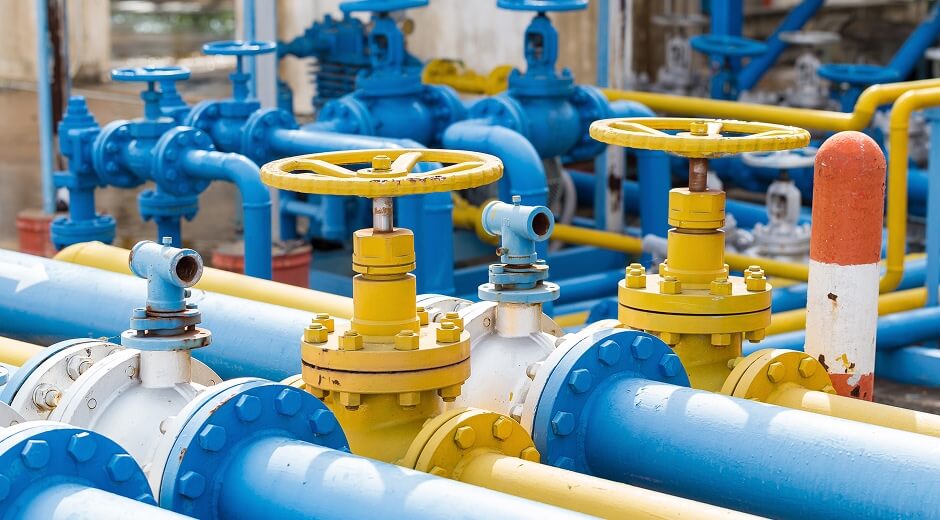
Flow control components like valves are essential for effective water management, with a diverse system of components that each serve their own purpose. Check valves are especially critical for waterworks systems because they perform a very important function: preventing water backflow.
Check valves provide a layer of protection within aquariums, sewer systems, plumbing systems, sump pumps, and more by stopping fluids from flowing in the opposite direction. In this article, we'll explain the exact function of a check valve, how it protects systems from failure, and the specific role it plays in waterworks systems.
How Do Check Valves Work?
In a water management system, a check valve stops media from flowing in the reverse direction. Backflow is a serious concern in any system that delivers water or other fluids. Most people think of public water systems when they hear the term, but backflow can happen in any kind of plumbing system and cause damage or contamination.
Check valves use a disc or ball that closes the valve opening when fluid flow reverses, preventing backflow. When water flows in the forward direction, the ball of the disc retracts and allows the water to pass through.
Types of Check Valves
There are different check valve configurations, each designed for a specific application. Common check valve types include:
-
Ball check valves: A ball check valve is a check valve in its simplest form. Inside the valve, a ball sits on a seat with a single through-hole. When pressure behind the seat builds, the liquid can flow through the hole. But when pressure above the ball exceeds the pressure below the seat, the ball falls against the seat again and forms a seal that prevents backflow.
-
Silent globe check valves: Globe check valves are named for their generally spherical shape. They use a plug or disc that is operated manually or automatically to control flow. Our 1037 Series valves are designed to eliminate water hammer and manage flow reversal effectively.
-
Flexible disc check valves: Our 1020 Series Ductile Iron Flex Check Valve uses a flexible precision-molded disc to stop fluid from flowing in the opposite direction.
-
Swing check valves: Swing check valves, like our 824 Series, use a hinged valve disc to prevent backflow.
-
Lift check valves: These valves, like our 836 Series valves, use a piston to lift off the seat of the valve and allow or prevent fluid from flowing in one direction.
-
Wafer check valves: Wafer check valves, like our 1036 Series, are designed to be installed between flanges and use a spring-loaded disc to control fluid flow.
What About Slamming & Water Hammer Concerns?
A sudden change in momentum within waterworks systems that utilize check valves can result in a phenomenon known as water hammer or hydraulic shock. When a fluid is forced to stop or change direction very suddenly, it causes a pressure surge that sends a wave through the piping network.
Often, water hammer is associated with a loud slamming sound. Water hammer is primarily a danger to the valve and piping itself, but in the case of waterworks, it can pose a danger to people and the environment.
Water hammer is a common concern when working with check valves because of the mechanisms these valves use to quickly stop the flow of water. As a leading supplier of check valves within the waterworks industry, Soval understands how critical water hammer concerns can be. We've designed specialty check valves with a significantly lower risk of water hammer. Our 1037 Series flanged silent globe check valve, for example, is designed to close before the pump stops to eliminate water hammer, system surges, and of course, flow reversal.
Choosing Check Valves for Your Application
With so many check valve types and configurations, choosing the right one for your application depends on how and where it's being used.
Check valve selection criteria come down to the following considerations:
-
Operating Conditions: Check valves have specific temperature and pressure limitations. The check valve you select should be able to withstand the maximum pressure and temperature of the fluid it's carrying. Flow velocity is also important to factor into the decision.
-
Size and Orientation: Check valves come in many sizes, and it's important to ensure the valve will fit the pipes and other associated components in your system. Check valves are also designed with a specific orientation that allows for either vertical or horizontal installation. Before choosing a check valve, check which size and orientation your piping system requires.
-
Material: The material of the check valve must be compatible with the fluid being transported. At Soval, many of our check valves are made from ductile iron. Ductile iron valves offer high strength and typically feature a fusion-bonded epoxy coating to prevent erosion.
AWWA Standard Check Valves From Soval
Soval is proud to be a member of many recognized water industry associations like the American Water Works Association (AWWA) and the Water Environment Federation. Our check valves are carefully designed to meet stringent standards set by these associations.
Our AWWA standard check valves are available in a variety of sizes, pressure ratings, and finishes, and our expert team is here to answer any questions you may have about our products.
Shop AWWA Standard Check ValvesFrequently Asked Questions
What do "UL" and "FM" mean in check valve specifications?
Both indicate that the check valve meets certain standards set out by UL (formerly known as Underwriters Laboratories) and FM Global, which are considered trusted safety standards within the fire protection industry. UL/FM valves are used in fire sprinkler systems and pipes.
What's the best material for check valves used in waterworks applications?
An epoxy-coated iron valve will offer both the strength and corrosion resistance required for use in water lines.
What's the difference between a check valve and a backflow preventer?
Both prevent the flow of fluids from moving in the reverse direction within pipe systems. Backflow preventers are specifically used to prevent contamination in high-risk environments, while check valves are used for equipment protection, plumbing and HVAC systems, and water treatment.