


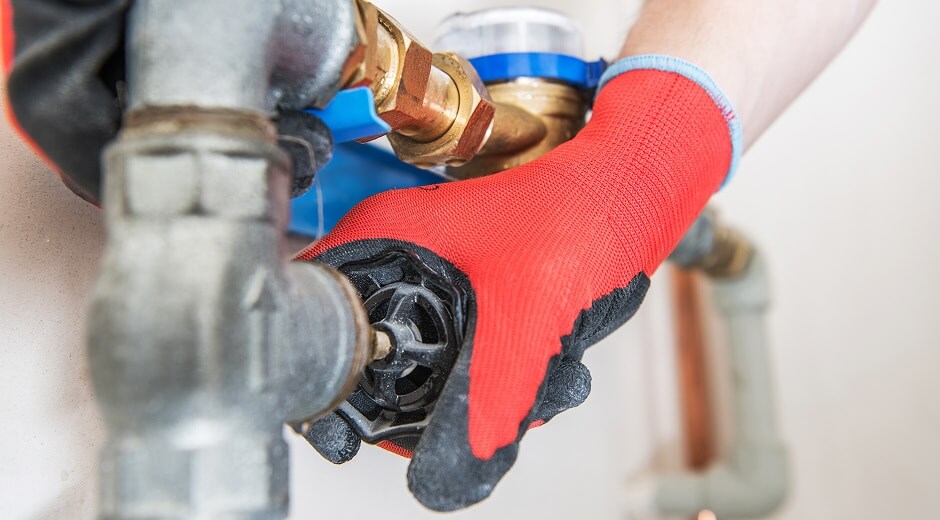
Most job site headaches in commercial plumbing trace back to the same handful of problems. Bad shutoffs, backflow events, water hammer, leaking flanged joints, and valves that were never the right fit for the application. None of these is a mystery. They just need the right hardware.
Here's a look at five of the most common plumbing challenges and how Southern Valve & Fitting (Soval) products address each one of them.
1. Shutoff Valves That Don't Isolate
A valve that won't fully close is worse than no valve. Gate valves that have been partially throttled for years develop worn seats that no longer seal, and when you need to isolate a section in a hurry, that's a serious problem.
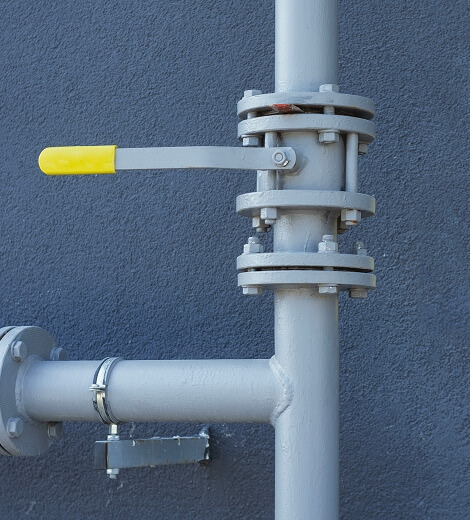
The Solution: Plumbing ball valves give you a quarter-turn shutoff and a handle position that tells you at a glance whether the valve is open or closed. Soval's lead-free brass ball valve lineup includes full-port options built for potable water applications.
2. Backflow and Reverse Flow
Pressure fluctuations, pump shutdowns, and elevation changes can push flow in the wrong direction. In a commercial building, this creates a real risk to the potable supply and can damage upstream equipment.
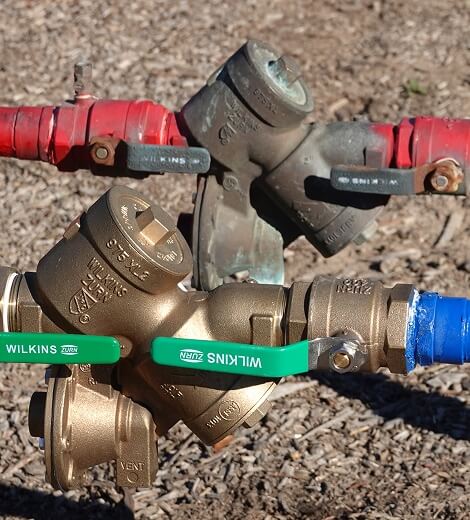
The Solution: The fix is a properly specified plumbing check valve. Soval carries lead-free swing check valves (brass) and a lead-free spring check valve (bronze) for different installation needs. Swing checks work in horizontal runs with consistent flow velocity. Spring-loaded checks are the better call for vertical installation or lower-velocity systems where a swing disc won't close reliably on its own.
3. Water Hammer
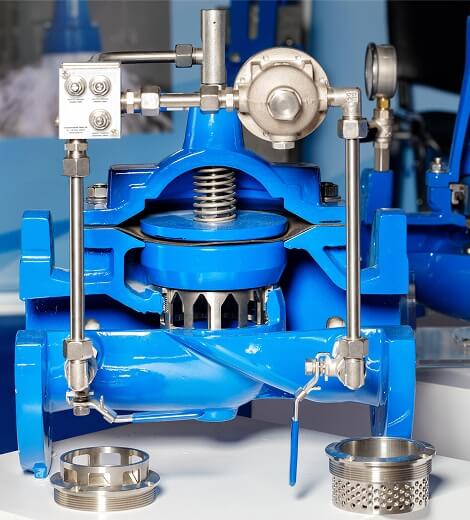
Water hammer is a pressure surge that happens when flow stops or reverses suddenly, usually from a fast-closing valve or a pump shutoff. The bang you hear is the symptom. The real damage is cumulative wear on fittings, joints, backflow preventers, and PRVs throughout the system.
The Solution: A spring-loaded check valve closes before the flow direction reverses, removing the primary trigger for water hammer in pump-driven systems. Pair that with water hammer arrestors at quick-closing valves, and you're covering the problem from both sides.
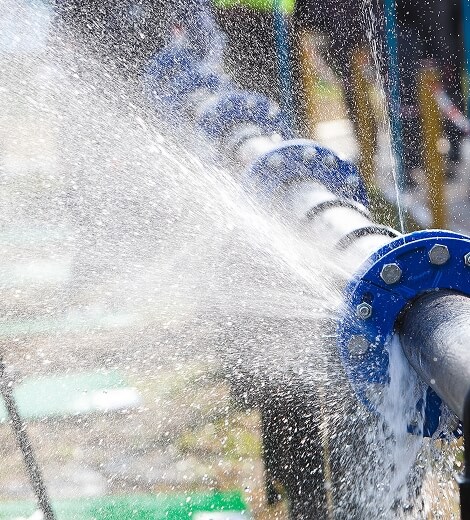
4. Leaking Flanged Connections
Flange leaks usually come down to a gasket that was wrong for the application or one that shifted under compression. Either way, it's a callback.
The Solution: Soval's plumbing gaskets include the Posi-Seal line, which uses a micro-groove design to lock the gasket in place under compression and create a watertight seal at flanged joints. Rated to ANSI 125/150 and marked with size, manufacturer, and country of origin. For higher-temperature water service, the 910 Series red rubber gaskets handle up to 200°F and meet ANSI/ASME B16.21 dimensions.
5. Misapplied Valves
Ball valves are not throttling valves. Using one in a partially open position wears the ball and seat unevenly and shortens the valve's life considerably. On larger-diameter lines where you need on/off isolation without the need for a fast shutoff, a gate valve is the correct spec.
The Solution: Soval's plumbing gate valves are full port, lead-free brass, and built for potable water service. Getting the valve type right from the start keeps systems performing the way they were intended.
Find the Right Valve for the Job
Soval has been supplying flow control products to wholesale distributors and plumbing contractors since 1971. Whether you're stocking a distribution center or speccing out a commercial project, the team can get you pointed in the right direction fast.
Contact UsFrequently Asked Questions
Can I use a ball valve for throttling, or is it strictly for on/off service?
Ball valves are for full open or full closed operation only. Holding them in a partially open position causes uneven wear on the ball and seat, which leads to leaks and a shortened service life. If you need to regulate flow rather than simply shut it off, a globe valve or a dedicated flow control valve is the right choice.
What is the difference between a swing check and a spring check valve?
Swing checks rely on flow velocity to hold the disc open and gravity to close it, so they require horizontal installation to seat correctly. Spring checks use a coil spring to force closure regardless of orientation, making them the right call for vertical installations or low-velocity systems where a swing disc might flutter or fail to seat.
Do lead-free brass valves contain zero lead?
Not zero, but very close. Federal law under the Reduction of Lead in Drinking Water Act defines lead-free as no more than 0.25% lead by weighted average across wetted surfaces. Soval's lead-free brass valves meet that standard and are appropriate for potable water systems where NSF/ANSI 61 or 372 compliance is required.
How can water hammer damage a system if you can't hear it?
Not all water hammer is audible. Low-frequency pressure surges can cause cumulative fatigue in joints, seals, and fittings without producing a noticeable bang. Signs include unexplained leaks at flanged connections, premature failure of backflow preventers or pressure-reducing valves, and pipe supports that have worked loose without a clear cause.
What gasket should I spec for a flanged gate valve in a cold water main?
For standard cold potable water service at ANSI 125/150 pressure ratings, Soval's Posi-Seal gaskets are the right call. The micro-groove design prevents shifting and blowout under pressure cycles. For higher-temperature applications, the 910 Series red rubber gaskets handle up to 200°F in water service and meet ANSI/ASME B16.21 dimensions.