


A practical guide to psi, CWP, ANSI, AWWA, and UL/FM ratings for distributors, engineers, and contractors.
A valve can look perfect on paper and still fail on day one if its pressure rating does not match the job. That happens more often than it should, mostly because a spec sheet number gets treated as one simple figure when it is really shorthand for several things at once.
Let's talk about what a pressure rating measures, the rating systems that get stacked on the same valve, and how to match the right rating to the application before you order.
What a Pressure Rating Measures
A pressure rating is tied to temperature, not fixed on its own. A valve stamped 200 psi cold working pressure, or CWP, only holds that pressure within a stated temperature range, often near 20°F to 100°F depending on the material. Push the temperature higher, and the safe working pressure drops. Lead-free brass swing check valves show this directly: the same valve is rated 200 WOG for water service but only 125 psi in steam at 320°F.
The Systems You'll See on a Spec Sheet
Most spec sheets stack more than one rating system on the same valve, and each answers a different question:
- ANSI and ASME class numbers describe flange pressure and temperature limits.
- AWWA standards such as C515 and C508 govern the design, testing, and coating of waterworks gate valves and swing checks.
- UL and FM listings confirm a valve passed independent fire protection testing at a specific pressure.
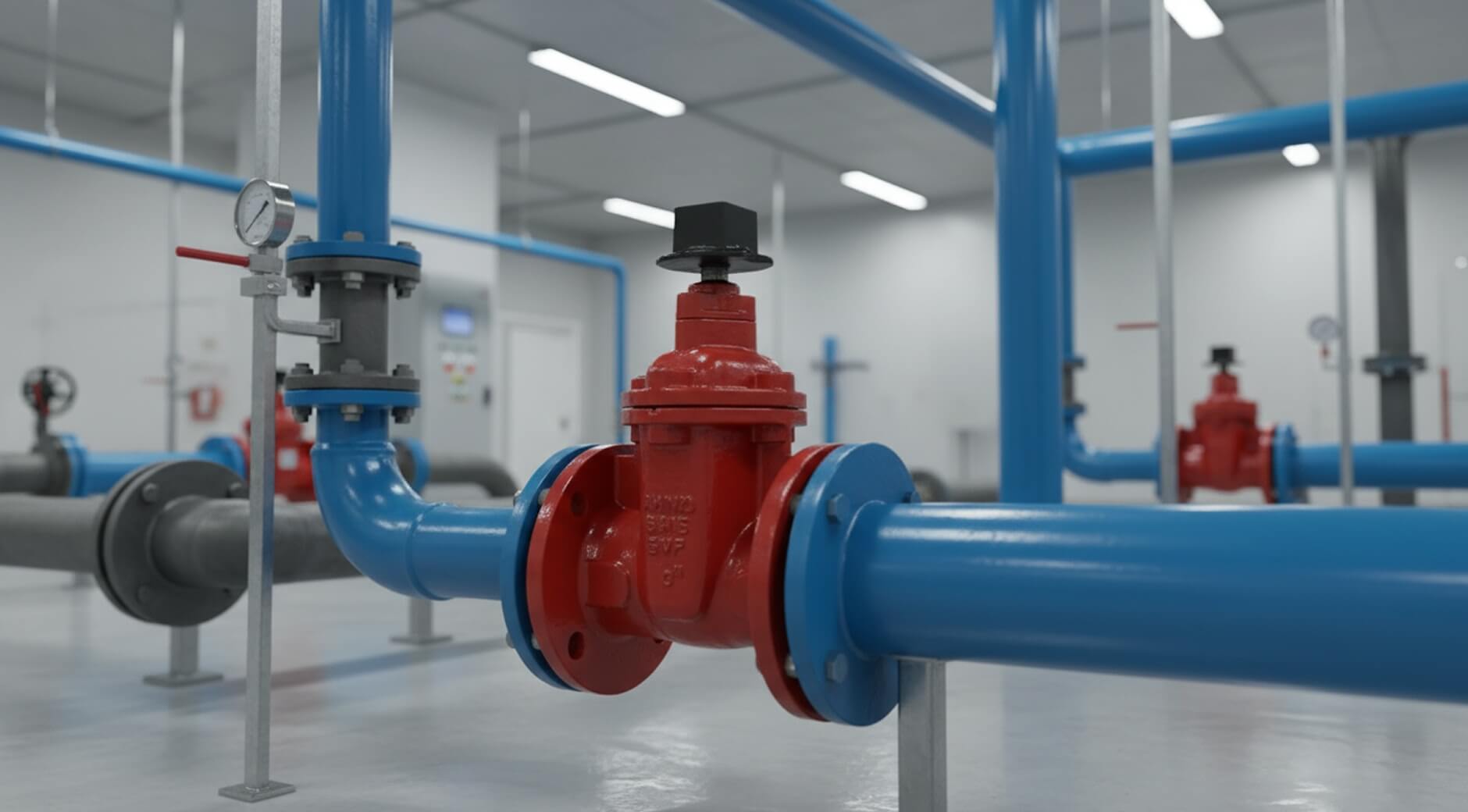
Ductile iron UL/FM valves carry all three at once: rated to 300 psi under UL/FM, built to AWWA C515 or C508, with ANSI B16.1 Class 125 flanges. None of the three is redundant; each covers a different part of the same valve.
Match the Rating to the Application
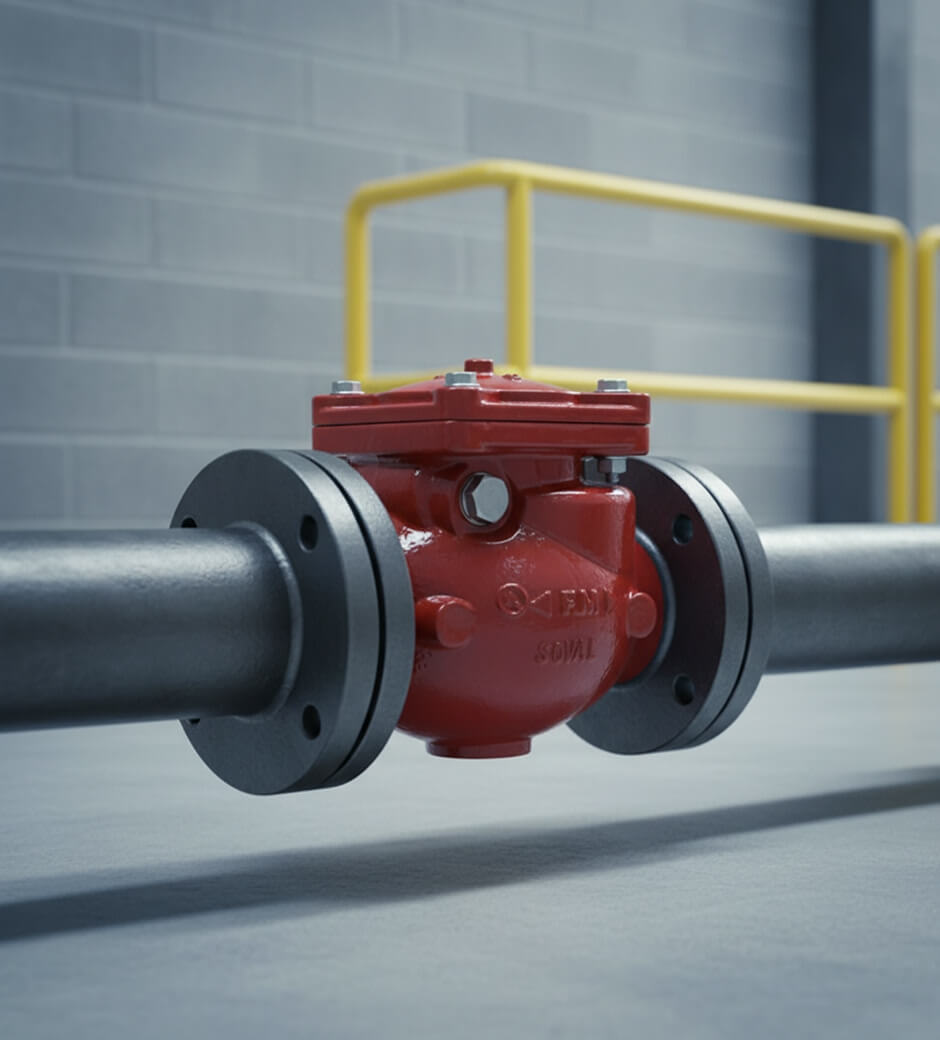
A fire protection riser needs a UL/FM listing because officials and insurers check the listing itself, not just a psi rating. A waterworks main more often specs straight to an AWWA class. Lower-pressure irrigation and plumbing lines are frequently made of PVC or brass rather than ductile iron. PVC spring check valves are rated to 150 psi at 73°F, which is plenty for that service, but a 300-psi fire line calls for a UL/FM-listed valve built for that job, such as Soval's 802 series, 816 series, or 824 series ductile iron valves.
The same spread appears in industrial butterfly valves and ball valves. PVC butterfly valves top out around 150 psi, while the UL/FM 849 series ductile iron butterfly valve is rated to 300 psi under AWWA C606. Ball valves run even wider: PVC ball valves are rated to 150 psi, while forged brass ball valves range from 400 WOG to 600 WOG for higher-pressure industrial and process lines.
One More Thing to Check
Certification matters as much as the psi number. NSF/ANSI 61 and 372 confirm a valve is safe for potable water contact, and AWWA C550 fusion-bonded epoxy coating protects it from corrosion inside and out. A valve can carry the right pressure rating and still be wrong for a potable water system if it's not certified for that use.
Why Distributors and Contractors Source From Soval
None of this matters if the supplier behind it can't get you the part on time. Soval has supplied flow control products to wholesale distributors in waterworks, fire protection, irrigation, and industrial markets since 1971. A 99 percent fill rate and same-day shipping on one of the largest inventories in the industry mean that a correctly specced valve doesn't result in a delayed schedule.
Get the Right Valve From the Start
Pressure ratings, standards, and certifications don't always point in the same direction on the first try. If you want a second set of eyes on a spec before you order your valve, give us a call: our team can help match the class, standard, and certification to your application.
Contact UsFrequently Asked Questions
What is the difference between a valve's CWP rating and its psi rating?
CWP is not a separate unit; it's a qualifier on a psi number. A valve rated 200 CWP is good for 200 psi within a stated cold temperature range, typically 20°F to 100°F. WOG works the same way.
Does a valve's pressure rating change with temperature?
Yes, ratings drop as temperature rises. That's why some valves list separate ratings for water and steam, such as 200 WOG for water but only 125 psi for steam at 320°F.
What does a UL/FM listing guarantee?
It means the valve passed independent testing through Underwriters Laboratories and FM Global for fire protection service at a specific pressure, commonly 300 psi for ductile iron gate and swing check valves. That's separate from the ANSI or AWWA class stamped on the body.
Why do AWWA and ANSI ratings look different on similar valves?
They measure different things. ANSI and ASME classes specify flange pressure and temperature limits, while AWWA standards such as C515 and C508 govern the design and testing of waterworks valves. A single gate valve can carry an AWWA C515 rating and ANSI B16.1 Class 125 flanges at once, since one covers the valve and the other covers how it connects to the pipe.